
Proudly Serving Parts Of:
Grand Isle, Franklin & Chittenden Counties, VT
and Clinton County, NY
French Drains Near Grand Isle County, Vermont | Spring Fix
French Drains Near Grand Isle County, Vermont: Why Spring Turns Yards Into Swamps
If you live in or around Grand Isle County, Vermont, you already know what spring feels like.
The snow melts. The ground softens. Rain starts coming down more often. And suddenly, your yard feels less like a yard… and more like a sponge.
You step outside and your boots sink. Water pools in the same spots every year. Maybe you’ve even walked into your basement and caught that damp smell, or worse, seen water where it shouldn’t be.
It’s frustrating. It’s messy. And if you’ve dealt with it more than once, it starts to feel like something you just have to live with.
But here’s the truth most homeowners don’t hear:
You’re not dealing with “normal spring conditions.” You’re dealing with a drainage problem that hasn’t been fixed yet.
At Complete Excavation & Septic, based in Isle La Motte and serving Grand Isle, Franklin, and Clinton Counties, we spend a lot of time helping homeowners figure this out. And the good news is, there’s a proven way to solve it.
What Causes Soggy Yards and Flooded Basements in Grand Isle County Homes
Spring water problems don’t just happen by chance.
They usually come down to a few key issues:
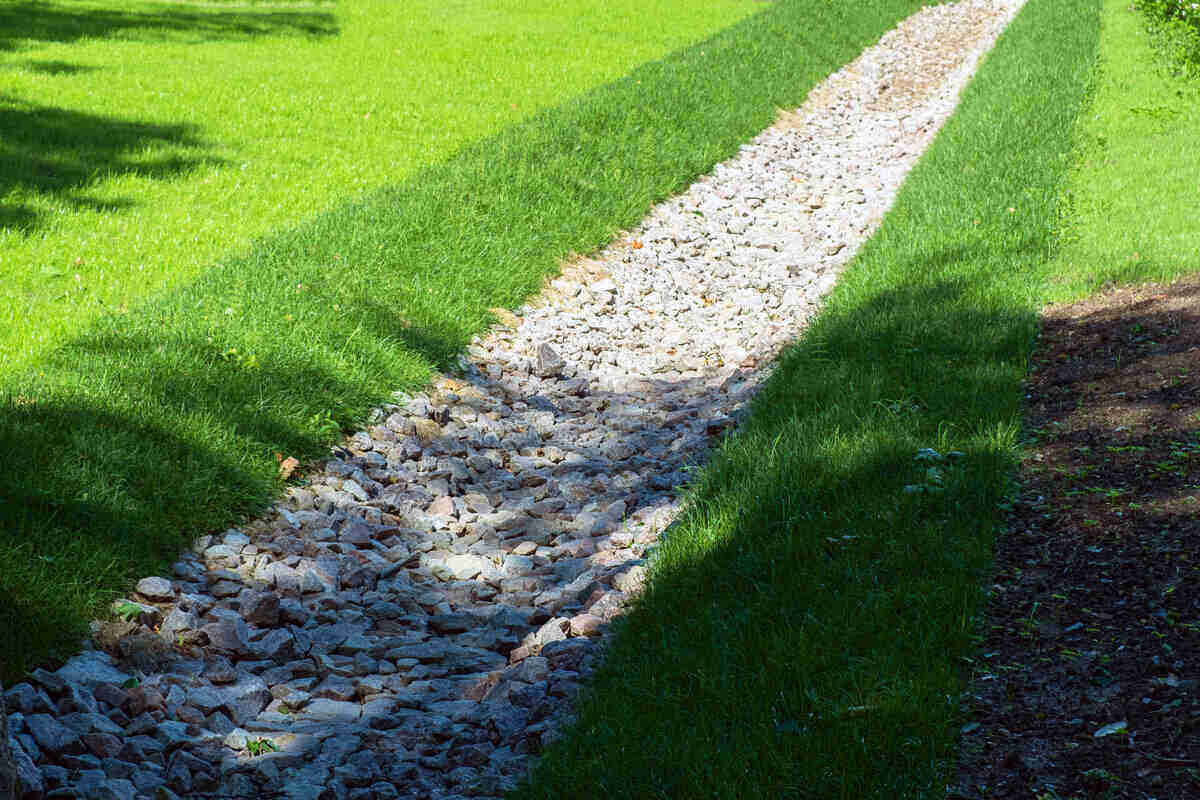
Poor soil drainage – A lot of Vermont soil holds water instead of letting it pass through
Flat or low-lying yards – Water has nowhere to go, so it sits
Improper grading – Water flows toward your home instead of away from it
Snowmelt overload – The ground is still frozen underneath, so water can’t soak in
Heavy seasonal rain – Adds more water than your property can handle
When these conditions stack up, the result is predictable. Water collects. It lingers. And over time, it starts affecting your home.
That soggy lawn is just the surface problem. Underneath, water can start pushing against your foundation, working its way into basements, crawl spaces, and structural materials.
What Is a French Drain and How Does It Work
A French drain is one of the simplest and most effective ways to control water on your property.
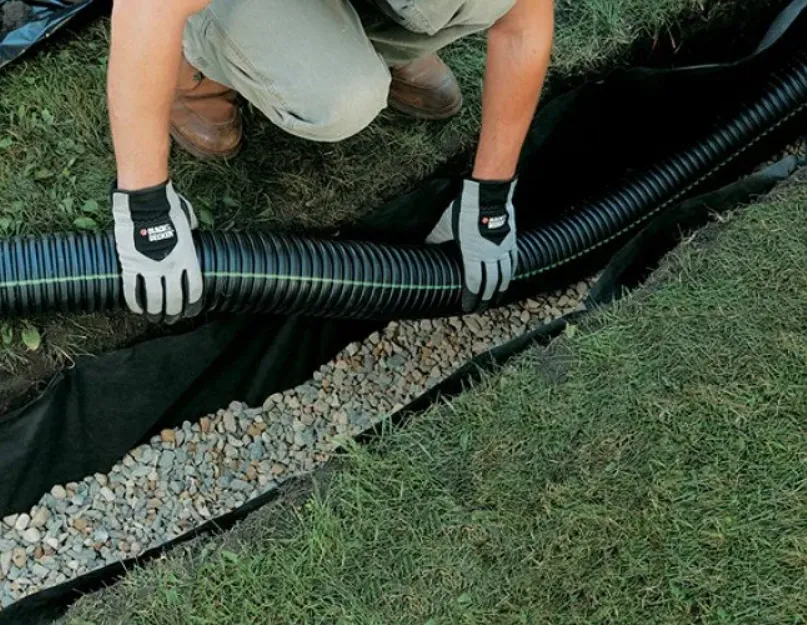
At its core, it’s a trench filled with gravel and a perforated pipe. That pipe collects water and redirects it away from problem areas.
Here’s what that means in plain terms:
Instead of water sitting in your yard or around your home, it gets captured, guided, and moved somewhere safe.
Think of it like giving water an easy path to follow. Water will always take the path of least resistance. A properly installed French drain creates that path.
Why French Drains Near Grand Isle County, Vermont Work So Well in Spring Conditions
Spring in Vermont is tough on properties.
Between melting snow and steady rain, the ground gets overwhelmed fast. And because the soil is often still partially frozen or compacted, water has nowhere to go.
That’s why French drains work so well here.
They don’t rely on the soil to absorb water. Instead, they move water away before it becomes a problem.
For homeowners in Grand Isle, Franklin, and Clinton Counties, this makes a big difference. Instead of waiting for your yard to dry out on its own, you’re actively controlling where the water goes.
Signs Your Property Needs a French Drain This Spring
Not every drainage issue looks the same, but there are clear warning signs.
You might need a French drain if you’re noticing:
Standing water in your yard after rain
Soft, muddy areas that never fully dry
Water pooling near your foundation
Basement dampness or minor flooding
Erosion or washed-out sections of your yard
If these issues show up every spring, it’s not a one-time problem. It’s a pattern.
And patterns like that don’t fix themselves.
French Drains vs. Other Drainage Solutions: What Works Best in Vermont Soil
There are a few different ways to deal with drainage, but not all of them work well in Vermont conditions.
Here’s how French drains compare:
Surface drains – Good for collecting water on hard surfaces, but limited for yard-wide issues
Regrading – Can help redirect water, but doesn’t remove it from the property
Sump pumps – Effective inside the home, but don’t solve the root problem outside
French drains stand out because they handle the problem at its source. They manage water underground, where the issue actually begins.
In many cases, the best solution is a combination of methods. But French drains are often the backbone of a reliable drainage system.
The Process of Installing French Drains Near Grand Isle County, Vermont
A proper installation is more than just digging a trench.
It starts with understanding your property:
Evaluate the problem areas
Identify how water is moving across the land
Design a drainage path that works with the natural slope
Excavate the trench and install proper materials
Ensure water is directed to a safe discharge area
Every property is different. That’s why a one-size-fits-all approach doesn’t work.
At Complete Excavation & Septic, we focus on customizing each system so it fits the land, not just the idea of a solution.
Where French Drains Should Be Installed for Maximum Effect
Placement is everything.
Some of the most effective locations include:
Along the foundation of your home
In low spots where water collects
Around the perimeter of your yard
Near driveways or walkways that channel water
Installing a drain in the wrong place won’t solve much. But installing it in the right place can completely change how your property handles water.
Common Mistakes Homeowners Make With Drainage Systems
A lot of drainage issues come from well-intentioned fixes that don’t hold up.
Some of the most common mistakes we see:
Installing drains without proper slope
Using the wrong type of gravel or pipe
Not planning for where the water will exit
Relying on temporary fixes like filling low spots
These solutions might help for a short time, but they usually fail when the next heavy rain hits.
How Much Maintenance Does a French Drain Require
One of the biggest advantages of a French drain is that it’s low maintenance.
When installed correctly, it can last for years with minimal upkeep.
Basic maintenance includes:
Keeping the discharge area clear
Checking for blockages if performance changes
Avoiding heavy compaction over the drain line
It’s not something you’ll need to constantly think about, which is exactly what most homeowners want.
When Is the Best Time to Install a French Drain in Vermont
Spring is one of the best times to address drainage issues.
Why?
Because you’re seeing the problem in real time.
Instead of guessing where water collects, you can identify exactly what’s happening and fix it before the next season.
Waiting until summer or fall often means forgetting how bad it really was, or dealing with the same issue again next year.
How to Choose the Right Contractor for French Drains Near Grand Isle County, Vermont
Not all drainage work is the same.
When choosing someone to install a French drain, it’s worth looking for:
Experience with local soil and weather conditions
A focus on long-term solutions, not quick fixes
Clear communication about how the system will work
A willingness to tailor the approach to your property
At Complete Excavation & Septic, we take the time to understand each situation before recommending a solution. Every yard is different, and the fix should reflect that.
How Proper Drainage Protects Your Home Long-Term
Fixing drainage isn’t just about making your yard look better.
It’s about protecting your home.
When water is managed properly, you reduce the risk of:
Foundation damage
Basement flooding
Soil erosion
Long-term moisture issues
It’s one of those improvements that doesn’t always get noticed right away, but it makes a lasting difference.
And once it’s done right, you don’t have to keep worrying every time the snow melts or the rain starts again.
If you’ve been dealing with soggy ground or water where it doesn’t belong, it’s worth taking a closer look now.
Because in a place like Grand Isle County, Vermont, spring isn’t going to change.
But how your property handles it can.

Hours:
Mon - Fri 9:00 am - 5:00 pm
Extended hours by appointment only.



All rights reserved | Privacy policy | Client Support Area
Disclaimer: Septic inspection credit is applied to septic installations only and must be redeemed within 7 days after a written quote provided upon state acceptance of design.
Disclaimer: Septic soil test credit is applied to septic installations only and must be redeemed within 7 days after a written quote provided upon state acceptance of design.