Proudly Serving Parts Of:
Grand Isle, Franklin & Chittenden Counties, VT
and Clinton County, NY
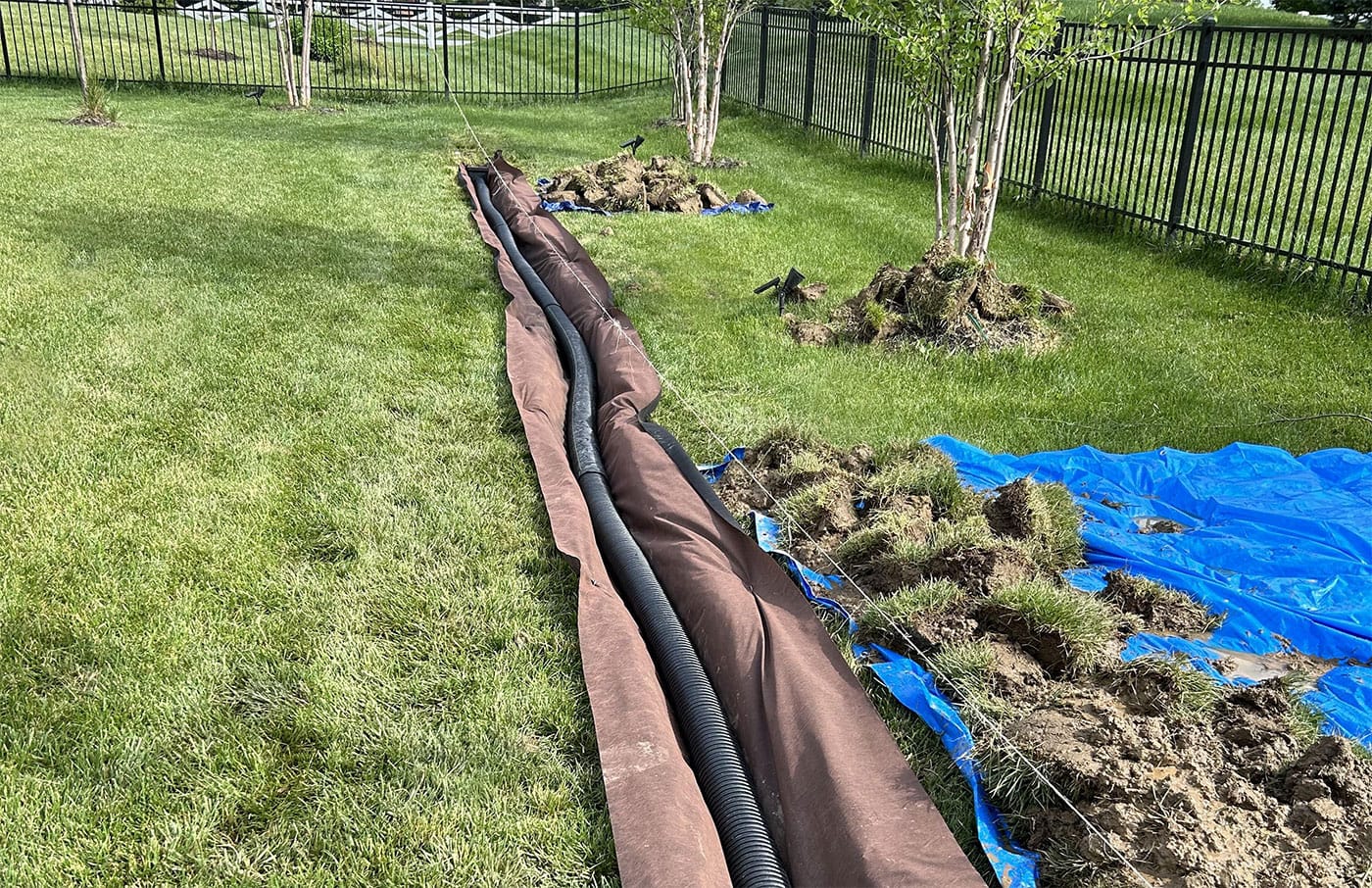
French Drains vs Traditional Drainage Systems Near Grand Isle County, Vermont
French Drains vs Traditional Drainage Systems Near Grand Isle County
If you have water pooling in your yard, mud collecting around your home, or a basement that always seems damp after heavy rain, you already know how frustrating drainage problems can be.
At first, it might seem minor.
Maybe there is just one wet area in the lawn.
Maybe water sits near the driveway for a day or two.
Maybe the grass never fully dries out in certain spots.
But over time, those small problems start becoming bigger ones.
You start wondering if the water is damaging your foundation.
You worry about erosion.
You get tired of muddy boots, standing water, or the constant feeling that your property never fully dries out.
For many homeowners near Grand Isle County, drainage issues are not just annoying. They are stressful because they affect how you use your property and how confident you feel about your home long term.
At Complete Excavation & Septic, we work with homeowners across Grand Isle, Franklin, and Clinton Counties who are dealing with these exact concerns. Most people are not looking for the fanciest drainage system possible. They simply want something that works and keeps working.
That is where the conversation about French drains and traditional drainage systems usually begins.
The challenge is that many homeowners are not sure which solution actually fits their property. One contractor recommends a French drain. Another suggests regrading. Someone else talks about catch basins or pipe systems.
It can get confusing fast.
The truth is, there is no universal drainage solution for every property. The best option depends on your soil, slope, water flow, and long-term goals.
That is why understanding the differences between French Drains vs Traditional Drainage Systems Near Grand Isle County, Vermont matters before work begins.
Why Drainage Problems Are So Common Near Grand Isle County, Vermont
Vermont properties deal with a unique combination of conditions that create drainage challenges.
These often include:
Heavy snowmelt
Spring thaw
Large rainstorms
Sloped terrain
Clay-heavy soil
Saturated ground conditions
Waterfront moisture
Freeze-thaw cycles
Some properties hold water naturally. Others develop drainage issues after landscaping, construction, or driveway installation changes how water flows across the land.
In many cases, the problem is not just “too much water.”
It is that the water has nowhere to go.
That is why properly designed Drainage Systems Near Grand Isle County, Vermont are so important.
The Warning Signs Your Property May Need Better Drainage
A lot of drainage problems start quietly.
Homeowners often ignore the early warning signs because they seem manageable at first.
Common signs include:
Standing water after rain
Soggy grass
Muddy areas that never dry
Water near foundations
Erosion around the yard
Wet crawl spaces or basements
Cracking near foundations
Driveway washouts
Septic area saturation
If these issues continue season after season, the property usually needs more than a temporary fix.
What Is a French Drain?
A French drain is one of the most common drainage solutions used on residential properties.
Despite the name, it is actually a fairly simple system.
A French drain usually includes:
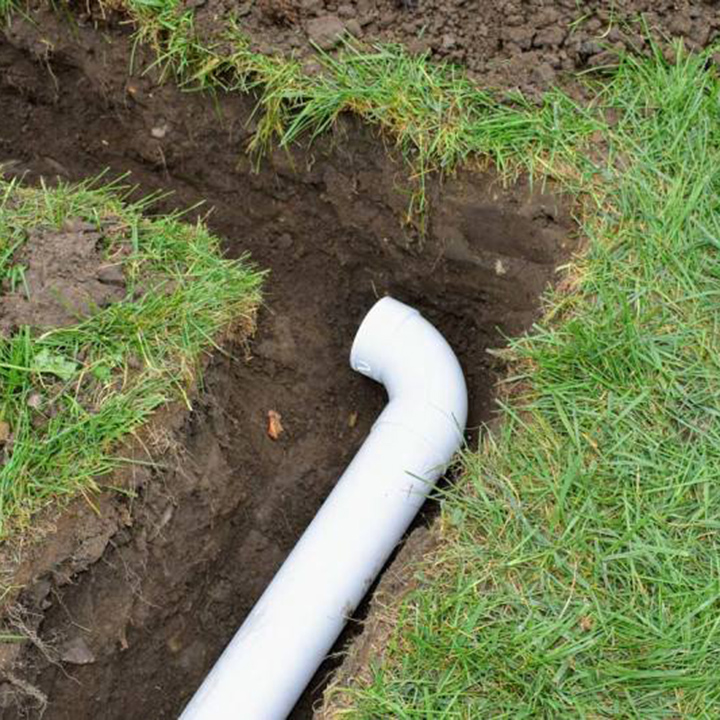
A trench
Gravel or drainage stone
Perforated pipe
Fabric to reduce clogging
A controlled path for water movement
The goal is to collect underground water and redirect it away from problem areas.
French drains are especially useful for:
Saturated lawns
Water near foundations
Sloped yards
Groundwater issues
Persistent wet spots
One reason homeowners like French drains is that they are often less visible once completed.
They solve drainage problems underground without dramatically changing the appearance of the property.
What Are Traditional Drainage Systems?
Traditional drainage systems can include several different solutions depending on the property.
These may involve:
Surface drains
Catch basins
Swales
Culverts
Channel drains
Solid pipe drainage systems
Regrading
Stormwater systems
Unlike French drains, traditional systems often focus more on moving surface water quickly away from structures or problem areas.
For example, if rainwater runs down a driveway and floods a garage area, a surface drainage system may be more effective than a French drain alone.
Some properties actually require multiple drainage methods working together.
That is why Drainage Systems Near Grand Isle County, Vermont should always be designed around the specific property conditions.
French Drains vs Traditional Drainage Systems Near Grand Isle County, Vermont
This is where homeowners often get stuck.
Which system is actually better?
The honest answer is:
Neither is automatically better for every property.
Each system solves different types of water problems.
French Drains Are Often Better For:
Underground water movement
Wet lawns
Foundation seepage
Saturated soil
Hidden groundwater issues
Traditional Drainage Systems Are Often Better For:
Heavy surface runoff
Driveway flooding
Fast-moving stormwater
Large drainage volumes
Water coming from roofs or paved surfaces
Some homeowners assume a French drain can solve every water issue on a property.
That is not always true.
Likewise, installing only surface drains may fail to address underground saturation problems.
The best drainage systems usually start with identifying where the water is actually coming from first.
Which Drainage System Works Best for Wet Yards?
Wet yards are one of the most common complaints we hear from homeowners.
The problem is that “wet yard” can mean several different things.
Sometimes water is trapped underground.
Sometimes the property lacks slope.
Sometimes runoff from neighboring land is entering the yard.
Sometimes the soil simply drains poorly.
French drains are often excellent for yards that stay soft and saturated for long periods.
Traditional drainage systems may work better when water is visibly flowing across the surface during storms.
This is why property evaluation matters so much before installation begins.
How Vermont Soil Conditions Affect Drainage
Soil changes everything.
Two homes located close together can have completely different drainage behavior.
Some Vermont soils drain naturally.
Others trap moisture for days.
Clay-heavy soils are especially challenging because water moves through them slowly. Rocky properties create their own difficulties as well.
Drainage Systems Near Grand Isle County, Vermont need to account for:
Soil composition
Slope
Water table levels
Snowmelt patterns
Existing landscaping
Future construction plans
Ignoring these conditions can lead to drainage systems that underperform or fail entirely.
French Drains for Sloped Properties Near Grand Isle County
Sloped properties create unique drainage opportunities and challenges.
Water naturally wants to move downhill.
The question is whether it is moving in a controlled way or causing erosion and saturation problems.
French drains can work extremely well on sloped properties because they intercept water before it reaches problem areas.
For example:
Preventing water from reaching foundations
Protecting retaining walls
Redirecting hillside runoff
Reducing erosion pressure
However, proper installation depth and grading are critical.
A poorly installed French drain on a slope can create new problems instead of solving old ones.
When Traditional Drainage Systems Make More Sense
There are situations where traditional drainage systems are the smarter option.
This often happens when dealing with:
Large roof runoff
Driveway drainage
Heavy stormwater flow
Commercial-style water movement
Open surface flooding
In these situations, larger drainage channels, catch basins, or grading corrections may outperform a standard French drain.
Again, there is rarely a one-size-fits-all answer.
Drainage Systems Near Grand Isle County, Vermont and Foundation Protection
One of the biggest reasons homeowners invest in drainage systems is to protect their foundation.
Water near a home creates long-term risk.
Over time, excess moisture can contribute to:
Foundation cracks
Basement leaks
Mold issues
Soil shifting
Structural concerns
Good drainage is not just about convenience.
It is about protecting the investment you already made in your property.
That is why drainage planning should happen before problems become severe.
The Biggest Drainage Mistakes Property Owners Make
We have seen homeowners spend thousands on landscaping while ignoring the actual drainage problem underneath.
Unfortunately, beautiful landscaping does not stop water movement.
Other common mistakes include:
Choosing the cheapest solution
Ignoring grading issues
Installing undersized systems
Failing to plan discharge areas
Treating symptoms instead of causes
Drainage problems usually return when the root issue is never properly addressed.
How Long Do Drainage Systems Last?
A properly installed drainage system can last for many years.
However, lifespan depends heavily on:
Installation quality
Soil conditions
Maintenance
Pipe material
Water volume
Freeze-thaw exposure
French drains may occasionally require flushing or maintenance over time to prevent sediment buildup.
Traditional drainage systems may also need periodic cleaning, especially catch basins and surface drains.
The key is proper installation from the start.
Questions Homeowners Should Ask Before Installing Drainage Systems
Before hiring a contractor, homeowners should ask:
Where is the water actually coming from?
Will grading changes help?
Is the issue surface water or groundwater?
What drainage solution fits this property best?
How will the system discharge water safely?
Will future landscaping affect the drainage system?
These questions help prevent short-term fixes that fail later.
Choosing the Right Contractor for Drainage Systems Near Grand Isle County, Vermont
Not every drainage contractor approaches projects the same way.
Some focus only on quick installations.
Others focus on solving the actual water movement problem.
At Complete Excavation & Septic, we believe drainage solutions should be customized to the property itself. That means understanding how water behaves during different seasons, storms, and snowmelt conditions.
Because ultimately, good drainage work is not just about installing pipe.
It is about understanding the land.
And when Drainage Systems Near Grand Isle County, Vermont are designed correctly, homeowners spend less time worrying every time rain clouds show up overhead.

Hours:
Mon - Fri 9:00 am - 5:00 pm
Extended hours by appointment only.



All rights reserved | Privacy policy |
Disclaimer: Septic inspection credit is applied to septic installations only and must be redeemed within 7 days after a written quote provided upon state acceptance of design.
Disclaimer: Septic soil test credit is applied to septic installations only and must be redeemed within 7 days after a written quote provided upon state acceptance of design.