
Proudly Serving Parts Of:
Grand Isle, Franklin & Chittenden Counties, VT
and Clinton County, NY
Prevent Frozen Pipes This Vermont Winter | Pipe Jetting and Thawing Near Essex, Chittenden County, VT
1) Who This Is For and What You Are Facing in Vermont Winters
We’re Complete Excavation & Septic, based in Isle La Motte and serving Grand Isle, Franklin, and Chittenden Counties. If you own a home, camp, rental, or lake property in northern Vermont, you already know winter hits hard. You’re not just worried about snow totals—you’re worried about pipes that freeze, burst, and flood basements at 2 a.m. You worry because you’ve seen it happen to friends, neighbors, or maybe last year in your own house.
You want a clear plan that keeps water moving and your home safe. You want straight answers about timing, cost, and what actually works in our climate. That’s what this guide is for. It’s written by locals who winterize and rescue systems in this area every single season—especially Pipe Jetting and Thawing near Essex, Chittenden County, VT.
2) How Pipes Freeze in Vermont Homes and Cabins
Pipes freeze when water slows or stops and temperatures drop fast. Here’s what sets up the problem:
Cold air leaks around sill plates, rim joists, crawl spaces, and uninsulated garages.
Long runs of pipe in drafty basements or unheated additions.
Shallow water or sewer lines at lake camps and older homes.
Partial clogs that make water move slower, so more ice forms when the cold snaps hit.
When flow slows, water lingers and freezes layer by layer. A thin ring of ice becomes a plug. Pressure builds behind the plug until something gives. That “give” is often a burst fitting or cracked pipe. The fix is not only thawing the ice; it’s restoring clean, steady flow so it doesn’t freeze again tomorrow.
3) Early Warning Signs Your Pipes Are Headed for Trouble
Catch these small clues before they become big bills:
Sluggish drains—sinks, showers, or the kitchen line that gurgle or back up after a big wash.
Toilet burps—air returning through the bowl points to a vent or main line restriction.
Cold rooms with exposed plumbing—powder rooms over garages, basements, or mudrooms.
Hot water fades or sputters—not always a heater issue; can be a flow problem.
Repeated “quick fixes”—if you’re snaking the same drain every few weeks, something larger is brewing.
These signs are your early alert. Jet the lines now—before December’s deep freeze locks the problem in.
4) What Pipe Jetting Actually Does for Your Drain and Sewer Lines
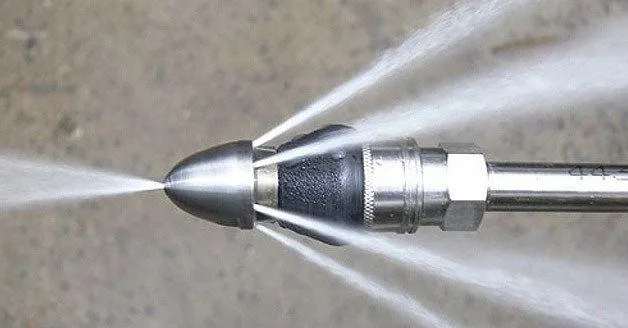
Pipe jetting uses high-pressure water to scrub the inside of your pipes. Not a poke. Not a band-aid. A real cleaning.
Cuts through grease and soap that standard snaking skims over.
Shears root hairs that sneak in through joints.
Flushes sand and silt common at lake properties.
Restores pipe diameter so water moves fast enough to resist freezing.
Think of jetting like pressure-washing your driveway, but for the inside of your drains and sewer lines. A smooth, clean interior helps water move, which helps prevent ice. This is one reason Pipe Jetting and Thawing near Essex, Chittenden County, VT is a smart pre-winter move.
5) How Professional Pipe Thawing Works and When to Use It
If a line does freeze, we use controlled heat and, when safe, specialized thawing equipment to melt the ice without burning or cracking the pipe. In some cases, we combine gentle thawing and targeted jetting to move out slush and restore flow quickly.
When to thaw:
A critical line (kitchen, main, or well line) is frozen solid.
You’ve lost water to part of the house.
Temperatures will stay below freezing for days and you need service now.
Thawing solves the urgent problem. Jetting prevents the repeat.
6) Why You Should Do Pipe Jetting and Thawing Before the Deep Freeze
Timing is everything. The best time to act is before December’s long, low-temperature stretches. Here’s why:
Prevents the plug: Clean, high-flow pipes are much harder to freeze.
Stops repeat backups: Jetting removes the grime that snaking leaves behind.
Protects weekends and holidays: Fewer emergencies when vendors are booked solid.
Saves money: Planned service is cheaper than emergency calls and water damage cleanup.
If you take one lesson from this article, let it be this: don’t wait for the first subzero weekend. Book jetting and inspection on your schedule—especially if you’re considering Pipe Jetting and Thawing near Essex, Chittenden County, VT.
7) Pipe Jetting and Thawing Near Essex, Chittenden County, VT: What Local Homeowners Need to Know
Essex and nearby towns have a mix of newer builds and older homes with long runs, additions, and finished basements. We commonly find:
Kitchen lines with grease walls from holiday cooking.
Main lines with early root intrusion near older trees.
Tight crawl spaces where cold air wraps the pipe.
Seasonal properties that sit empty during cold snaps.
Our approach is local: we plan around your home’s layout, your family’s schedule, and the cold patterns we’ve learned after years in this region.
8) Cost Guide for Vermont: Jetting, Thawing, and Hidden Winter Risks
Every home is different, but you should budget with these ideas in mind:
Preventive jetting is typically a scheduled service with straightforward pricing. The cost depends on access, line length, and how heavy the buildup is.
Emergency thawing costs more due to time, urgency, and conditions—especially nights, weekends, or storms.
Hidden risks: slow leaks after a freeze, water damage to finished spaces, mold remediation, or septic backups when lines re-freeze.
The most expensive part of winter plumbing is not the jetting. It’s the aftermath of a burst or a flooded finished basement. Preventive work almost always costs less.
9) Jetting vs. Snaking vs. Chemical Cleaners: What Works Best in Cold Weather
Snaking is good for punching a hole in a soft clog. It’s fast, but it doesn’t clean the pipe walls. After a cold snap, the remaining residue can freeze faster.
Jetting cleans the full diameter, which helps water move faster and resist freezing. For pre-winter prep, jetting wins.
Chemical cleaners can be harsh on older pipes and septic systems and rarely solve deeper buildup or roots. They can also be unsafe in tight spaces.
For true winter readiness, we recommend jetting plus a quick camera check to verify the line is clean and sloped correctly.
10) DIY Thawing Risks vs. Hiring a Pro in Grand Isle, Franklin, and Chittenden Counties
We get it—Vermonters are resourceful. But be careful:
Open flame near framing or insulation is flat-out dangerous.
Improvised heaters can overheat a small section while leaving ice trapped further down.
Guesswork on line routing leads to wasted hours and bigger ice plugs.
A pro brings the right tools, the right heat, and a plan that protects your pipe and your house. If you’re in Essex or nearby, search for Pipe Jetting and Thawing near Essex, Chittenden County, VT and choose a team that works in winter daily.
11) Preventive Maintenance Plan for Vermont Winters: A Simple Homeowner Checklist
Use this simple list each fall:
Schedule jetting for the kitchen and main line if you’ve had any slow drains this year.
Seal drafts around basements and crawl spaces; pay attention to pipe penetrations.
Add insulation to exposed pipes in unheated areas.
Maintain steady heat—even at lake camps, keep a safe baseline temperature.
Let faucets drip during extreme cold to keep water moving.
Know your shutoff so you can respond fast if a line fails.
Keep contact info handy for emergency thawing—preferably a local team that covers your neighborhood.
12) The Best Timing: October to December Prep Timeline Before the First Deep Freeze
October: Inspection, jetting, and any repairs that need dry ground or easy access.
Early November: Insulate exposed runs, seal drafts, and test flow.
Late November: Final check of problem fixtures and low-use lines.
December: Keep an eye on the forecast. If we see a long cold stretch coming, we can do targeted jetting for lines that have been borderline in past winters.
This timeline fits Vermont’s weather reality and reduces your risk during the first serious cold wave.
13) Common Pipe Problems We See in Older Vermont Homes and Lake Properties
Cast-iron scaling: rough interior walls trap grease and ice faster. Jetting smooths the flow.
Shallow lines: lake homes with limited burial depth freeze faster—thawing may be needed mid-winter if prep was skipped.
Improper slope: water lingers and turns to ice; jetting helps, but sometimes a section needs correction.
Root infiltration: hair roots love older joints; winter makes small root mats into major choke points.
In these homes, we often combine jetting, camera inspection, and a maintenance schedule that targets known weak spots.
14) Safety, Insurance, and Warranty Basics for Cold-Weather Plumbing Work
Ask these questions before you hire:
Are you insured and trained for winter work? Cold-weather access, ladders, and heaters add risks.
What methods do you use to protect pipes and finishes while thawing?
Do you camera the line after jetting? Proof matters.
What are your emergency response hours when the temperature dives?
A reputable local service will gladly answer and document these points.
15) How Complete Excavation & Septic Customizes Service for Your Home
We’re not the biggest outfit, and that’s by design. We spend the extra half-hour to learn your layout, your routine, and your problem rooms. Then we tailor:
Jetting pressure and nozzle choice to your pipe material and buildup.
Access plans that work for tight basements and lake camps.
Maintenance schedules based on how you use the home—full-time vs. seasonal.
Local weather timing so the work lines up with forecasted cold snaps.
That’s how we keep your lines flowing when the lake steams and the wind off the islands bites.
16) Service Areas We Cover: Grand Isle, Franklin, and Chittenden Counties
We regularly serve Isle La Motte, North Hero, South Hero, Alburgh, St. Albans, Swanton, Fairfax, Georgia, Milton, Colchester, Winooski, Burlington, Williston, and—yes—Pipe Jetting and Thawing near Essex, Chittenden County, VT. If you’re nearby and unsure, ask. If roads are passable and the work is safe, we’ll do our best to help.
17) Frequently Asked Questions About Pipe Jetting and Thawing in Vermont
Q: When should I schedule jetting?
A: If you had any slow drains this year, schedule in October or early November. If not, every 1–3 years is typical, with timing before winter as a safe bet.
Q: Do you always need a camera inspection?
A: We recommend it after jetting, especially in older homes. It confirms the clean, checks for damage, and helps plan future maintenance.
Q: Can jetting damage older pipes?
A: Not when it’s done correctly. We adjust pressure, use the right nozzle, and test as we go. The goal is clean and protected—not “max power.”
Q: What if the line freezes again after thawing?
A: Then we need to find the root cause—drafts, shallow runs, or debris. We’ll combine targeted jetting, insulation, and simple use-habits to keep it from returning.
Q: Will this help my septic system?
A: Yes. Clear lines reduce backups into the tank and drain field. Jetting is part of a healthy whole-system approach.
18) Ready to Winterize Your Pipes? Next Steps for Scheduling Service
If you’ve read this far, you’re doing what smart Vermont homeowners do: you’re planning ahead. The next step is simple:
Tell us what you’ve seen—slow drains, past freezes, problem rooms, lake camp issues.
We’ll check access and layout—and schedule jetting before the first long freeze.
We’ll camera the line if needed, and give you a clear plan.
You head into winter with your water moving and your stress cut in half.
From our base in Isle La Motte, we help families across Grand Isle, Franklin, and Chittenden Counties. Whether you live in town or along the lake, we’re ready to prep your system now—especially if you need Pipe Jetting and Thawing near Essex, Chittenden County, VT.
Final Thought You Can Act On Today
Winter wins when we wait. Your home wins when we prepare. Schedule preventive jetting and an inspection now, and give your pipes the fast, clean flow they need to shrug off the deepest cold.


Hours:
Mon - Fri 9:00 am - 5:00 pm
Extended hours by appointment only.



All rights reserved | Privacy policy |
Disclaimer: Septic inspection credit is applied to septic installations only and must be redeemed within 7 days after a written quote provided upon state acceptance of design.
Disclaimer: Septic soil test credit is applied to septic installations only and must be redeemed within 7 days after a written quote provided upon state acceptance of design.