Proudly Serving Parts Of:
Grand Isle, Franklin & Chittenden Counties, VT
and Clinton County, NY
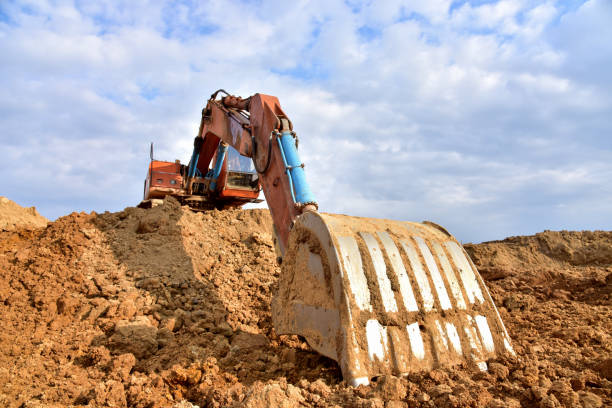
The Best Time of Year for Site Preparation Near Grand Isle County, Vermont
The Best Time of Year for Site Preparation Near Grand Isle County
If you are planning to build a home, garage, cabin, addition, or even install a septic system, there is a good chance you have already asked yourself one big question:
“When should I actually start site preparation?”
Most property owners around Vermont do not think much about site preparation until they are suddenly trying to coordinate builders, permits, excavators, septic installers, weather, and timelines all at once. That is usually when stress starts creeping in.
You might be worried about mud.
You might be worried about delays.
You might be wondering if spring is too wet, or if winter is impossible.
You may even feel pressure because your builder already gave you a rough timeline.
We understand that.
At Complete Excavation & Septic, we work with homeowners and property owners across Grand Isle, Franklin, and Clinton Counties who are trying to make smart decisions before construction begins. Most people are not excavation experts. They just want to avoid expensive mistakes, unnecessary delays, and surprises halfway through a project.
The truth is, the best time of year for Site Preparation Near Grand Isle County, Vermont depends on more than just the calendar.
It depends on your land.
It depends on your goals.
And it definitely depends on Vermont weather.
Some projects are better in the fall.
Some properties are easier to prepare during dry summer conditions.
And some jobs can absolutely happen in winter if they are planned correctly.
The goal is not simply “getting dirt moved.”
The goal is preparing your property the right way so everything built afterward has a stable foundation to work from.
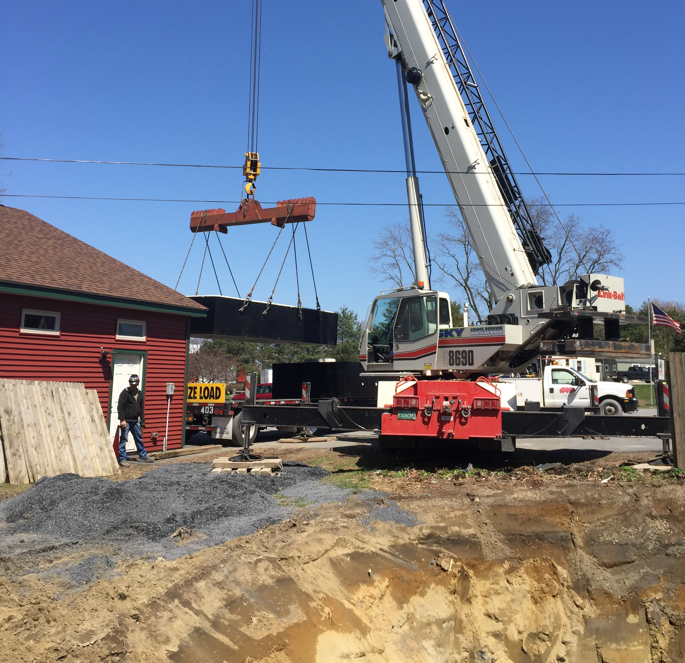
Why Timing Matters for Site Preparation Near Grand Isle County, Vermont
A lot of homeowners assume site preparation is just clearing land and flattening dirt.
In reality, proper site preparation often includes:
Land clearing
Grading
Drainage planning
Excavation
Tree and stump removal
Soil stabilization
Septic preparation
Driveway access
Utility trenching
Water management
That means timing matters more than people realize.
For example, if your property is extremely wet during spring thaw, heavy equipment can create deep ruts or damage soft ground. On the other hand, waiting too long into winter can create frozen ground conditions that make excavation more difficult.
Choosing the right season can help:
Reduce delays
Lower repair costs
Improve drainage
Protect your future foundation
Prevent erosion problems
Keep your construction timeline moving
That is why Site Preparation Near Grand Isle County, Vermont should never be treated like an afterthought.
The Biggest Mistakes Property Owners Make Before Site Preparation Begins
One of the most common mistakes we see is waiting too long to schedule excavation work.
Many homeowners contact contractors after builders are already lined up. The problem is that excavation schedules fill quickly during busy seasons, especially in spring and summer.
Another issue is assuming all land behaves the same.
Properties throughout Grand Isle County can vary dramatically. Some lots drain beautifully. Others hold water for days after heavy rain. Some areas have rocky soil. Others have soft ground conditions that require additional planning.
Without proper timing and preparation, small issues can quickly become expensive ones.
We have seen projects delayed because:
Driveways became inaccessible
Wet ground could not support equipment
Drainage was ignored
Soil conditions were underestimated
Property owners rushed the process
Good site preparation is not about speed.
It is about making sure the property is truly ready for construction.
Spring Site Preparation Near Grand Isle County, Vermont
Spring is when many homeowners start thinking seriously about construction projects.
The snow melts.
The ground begins thawing.
Builders start getting calls.
Everyone wants to get moving again after winter.
There are definitely advantages to spring site preparation.
Benefits of Spring Site Preparation
Early start for summer construction
Easier project scheduling if booked early
Longer overall construction season
Good timing for septic installations
Better visibility of drainage problems after snowmelt
Spring can actually reveal important water issues on your property. If certain parts of your land flood or stay saturated, it is much better to discover that before construction begins.
Challenges of Spring Site Preparation
However, Vermont spring conditions can also create problems.
Mud season is real.
Soft ground conditions can slow equipment down and create unstable working conditions. Some properties simply need extra drying time before heavy excavation equipment can operate safely.
This is especially true for lower areas or properties with poor drainage.
For Site Preparation Near Grand Isle County, Vermont, spring works best when property owners plan ahead and understand that weather can affect timelines.
Why Summer Is the Busiest Time for Site Preparation
Summer is often considered the easiest season for excavation work.
The ground is usually dry.
Weather conditions are more predictable.
Access roads are easier to manage.
Construction crews are in full swing.
For many projects, summer offers ideal conditions.
Summer Advantages
Drier soil conditions
Easier equipment access
Longer daylight hours
Faster project movement
Better grading conditions
Reduced mud issues
Summer is especially useful for projects involving:
New home construction
Septic systems
Large grading projects
Long driveway installation
Utility trenching
Summer Challenges
The biggest downside is scheduling.
Everyone wants work done during summer.
That means contractors often book out well in advance. Waiting until June to start calling about a July excavation project can create frustration very quickly.
Summer heat can also dry certain soil types excessively, which may create dust or compaction concerns depending on the property.
Still, for many homeowners, summer remains one of the safest and most predictable times for Site Preparation Near Grand Isle County, Vermont.
Fall Site Preparation Near Grand Isle County, Vermont
Surprisingly, fall is often one of the smartest times to start site preparation work.
A lot of property owners overlook this season completely.
But from an excavation perspective, fall can be excellent.
Why Fall Works So Well
Cooler temperatures
More stable ground conditions
Lower moisture levels
Reduced mud compared to spring
Easier scheduling opportunities
Better preparation for spring building
Many homeowners choose fall excavation so their property is fully prepared before winter arrives. Then, when spring comes, they are already ahead.
Instead of waiting for excavation during peak season, builders can often begin sooner.
Fall is also a great time to address drainage concerns before snow and ice arrive.
For Site Preparation Near Grand Isle County, Vermont, fall can offer a balance between stable weather and reduced seasonal pressure.
Can Site Preparation Happen During Winter?
A lot of people assume excavation completely stops during Vermont winters.
That is not always true.
Some site preparation projects absolutely can happen during winter conditions.
Winter Site Preparation Can Work When:
The ground is stable and frozen
Access roads remain usable
Snowfall is manageable
The project is planned correctly
Clearing work is the primary goal
In some cases, frozen ground actually helps equipment move across softer properties without damaging them.
However, deep frost can also create challenges for excavation depth, trenching, and septic work.
Winter projects require realistic expectations and proper planning.
How Vermont Soil Conditions Affect Site Preparation Timing
Soil conditions matter more than most people realize.
Two neighboring properties can behave completely differently during excavation.
Some land drains quickly.
Some traps moisture.
Some contains ledge rock.
Some shifts easily under weight.
This is why customized planning matters.
At Complete Excavation & Septic, we believe Site Preparation Near Grand Isle County, Vermont should be approached based on the actual property, not generic assumptions.
A property near the lake may behave differently than inland land.
A wooded lot may hold moisture longer.
Sloped properties may require additional erosion planning.
The season matters, but the land itself matters just as much.
Drainage Problems That Delay Construction Projects
Poor drainage is one of the biggest reasons site preparation projects become more expensive later.
Water creates problems fast.
Without proper grading and drainage planning, homeowners can end up dealing with:
Standing water
Foundation issues
Washed-out driveways
Septic complications
Erosion damage
Mud around structures
That is why drainage planning should happen during site preparation, not after construction problems appear.
Good excavation work is not just about digging.
It is about controlling how water moves across the property.
How Early Should You Schedule Site Preparation Near Grand Isle County, Vermont?
Earlier than most people think.
If you are planning spring or summer construction, it is smart to start conversations months ahead of time.
Waiting until the last minute creates unnecessary stress.
Even if excavation itself only takes days or weeks, planning often includes:
Site evaluations
Scheduling
Permit coordination
Septic planning
Utility planning
Weather considerations
The earlier you prepare, the more flexibility you usually have.
Choosing the Right Contractor for Site Preparation
Not every excavation contractor approaches projects the same way.
Some focus only on speed.
Others focus on getting in and out quickly.
We believe good site preparation starts with understanding the property and the homeowner’s goals first.
That means asking questions like:
How will the property be used long term?
How does water move across the land?
What challenges already exist?
What future construction is planned?
What type of soil are we working with?
Site Preparation Near Grand Isle County, Vermont is not one-size-fits-all.
Every property has different conditions.
Every homeowner has different priorities.
Final Thoughts on the Best Time of Year for Site Preparation Near Grand Isle County, Vermont
The “best” time for site preparation is not always the same for every project.
Spring offers opportunity.
Summer offers stability.
Fall offers flexibility.
Winter can work under the right conditions.
The key is understanding your property, your timeline, and the conditions you are working with.
At Complete Excavation & Septic, we help property owners throughout Grand Isle, Franklin, and Clinton Counties prepare their land carefully and realistically. Our goal is not simply to move dirt. It is to help create a property that is truly ready for what comes next.
Because when site preparation is done correctly, everything afterward tends to go smoother too.

Hours:
Mon - Fri 9:00 am - 5:00 pm
Extended hours by appointment only.



All rights reserved | Privacy policy |
Disclaimer: Septic inspection credit is applied to septic installations only and must be redeemed within 7 days after a written quote provided upon state acceptance of design.
Disclaimer: Septic soil test credit is applied to septic installations only and must be redeemed within 7 days after a written quote provided upon state acceptance of design.