
Proudly Serving Parts Of:
Grand Isle, Franklin & Chittenden Counties, VT
and Clinton County, NY
Best French Drain Contractors Near Burlington VT
Understanding French Drains for Burlington, VT Homes
If you are reading this, there is a good chance you are tired of soggy lawns, puddles that never go away, or a basement that smells like damp cardboard after every rain. We get it. You have enough to do without worrying about water sneaking toward your house. At Complete Excavation & Septic, we help families around Burlington, Isle La Motte, and across Grand Isle, Franklin, and Chittenden Counties plan simple, reliable drainage that fits their property.
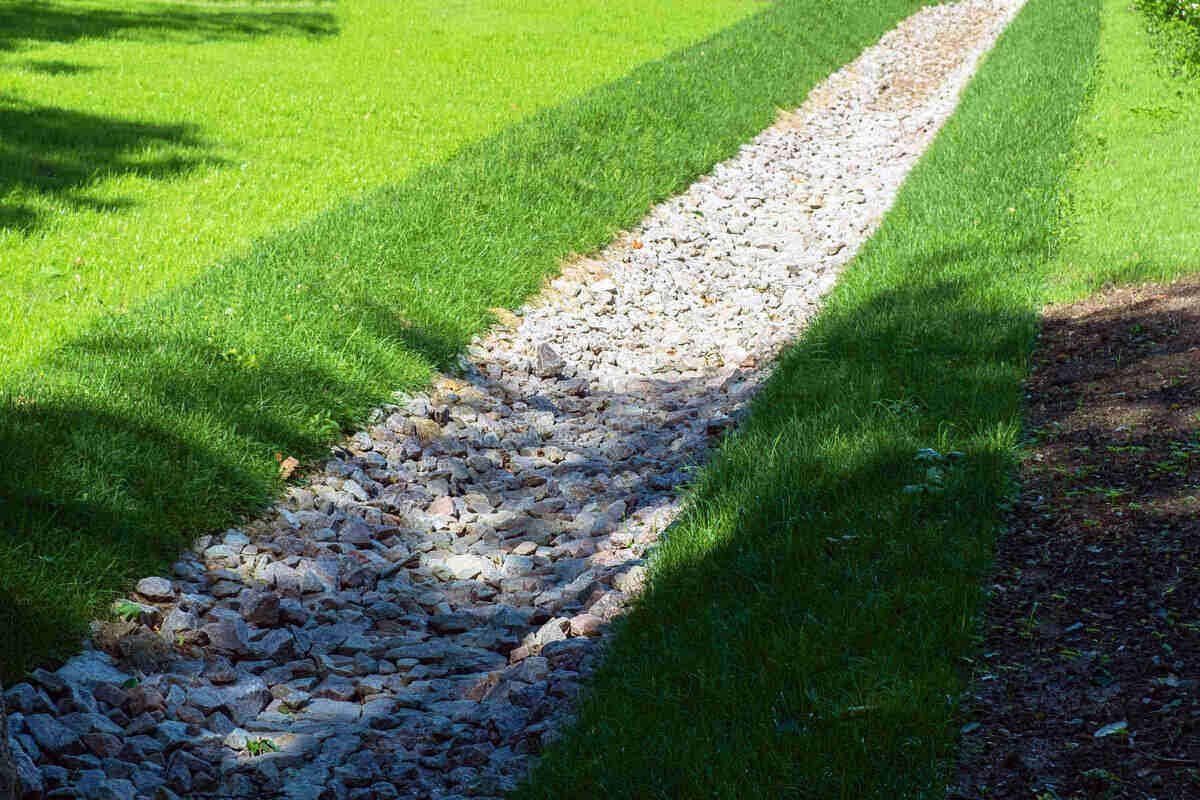
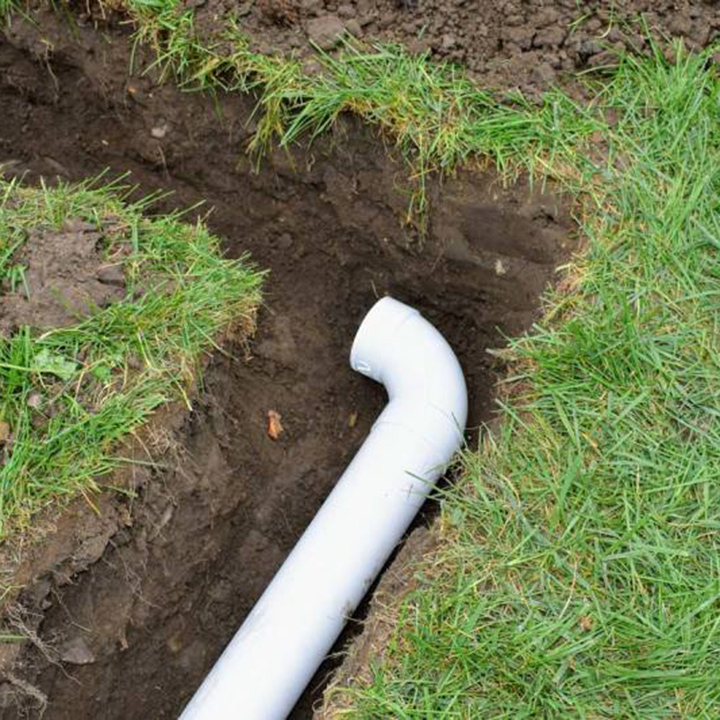
A French drain is a gravel-filled trench with a perforated pipe that collects water and carries it away to a safe spot. It is not fancy. It is smart and proven. When designed right, it protects your foundation, saves your lawn, and helps your home feel dry and clean again.
Do You Really Need a French Drain? Signs to Watch For in Chittenden County
Look for these simple clues:
Pooling water in the same spots after storms
Soggy lawn that squishes underfoot
Downspouts dumping water that ends up against your foundation
Stains on basement walls or that musty smell
Frost heave or shifting pavers near low areas
Grass that grows well in some places and struggles in others due to oversaturation
If two or more of these feel familiar, a French drain might be the right fix. We always start with a site walk to confirm the cause and choose the best solution.
How Vermont Weather and Soil Affect Your Drainage Plan
Burlington and the islands see real seasons. Spring melt, heavy summer downpours, gusty fall storms, and long freezes. Many yards also have clay, silt, or compacted soils that drain slowly. Freeze-thaw cycles can push shallow systems out of place if they are not built deep enough or with the right stone and fabric. A good plan in Vermont sets the drain at the correct depth, uses clean, angular stone, and includes a dependable discharge point that will not ice over.
French Drain vs. Other Solutions
A French drain is powerful, but it is not the only tool.
Yard grading: Best if your whole yard slopes toward your house. Grading reshapes the surface so water runs away. Often paired with a short French drain at the base of a slope.
Dry wells: Good for small roof or patio areas where you want to store and soak water underground.
Sump pumps: Used inside to move water out of a basement. A French drain helps keep water from reaching the basement in the first place.
Gutter and downspout fixes: Sometimes extensions and splash blocks solve most of the problem. We will always check these first.
What a Proper French Drain Installation Includes
Here is the simple step-by-step we follow:
Site evaluation and layout. We find the high and low points, mark utilities, and map a path that collects water and sends it to a legal, stable outlet.
Excavation. We dig a trench to the correct depth and slope. The slope is gentle and steady. No dips or backflow.
Fabric placement. A high-quality geotextile fabric lines the trench to keep soil fines out of the stone and pipe.
Stone bedding. Clean, angular stone creates voids that encourage water to flow. We never use dirty or round stone.
Perforated pipe. We place perforated pipe holes down, wrap it in fabric if needed, and ensure even slope to the outlet.
Backfill with more stone. Stone surrounds the pipe to improve flow and protect it from crushing.
Fabric wrap and cover. We fold the fabric over the stone for a clean barrier, then cover with soil or decorative gravel.
Outlet and finish. The discharge point is secure, screened if required, and placed where it will not cause new problems.
The Real Cost of a French Drain Near Burlington, VT
Costs change with length, depth, stone volume, access, and where the water can safely go. Small fixes along a foundation can be on the lower end. Long drains that cross a yard, pass under walkways, or require new outlets cost more. What drives price most is the amount of excavation and stone, plus any hardscape or landscaping we protect and restore. During your estimate, we give line items so you can see where every dollar goes. We also show options, such as grading adjustments or downspout work, that might save you money.
Contractor Checklist: Questions to Ask Before You Hire
Use this checklist to compare bids:
Design and Scope
Where is the water coming from and where will it go
What slope will the drain have from start to finish
How deep will the trench be to stay below frost movement
Materials
What fabric will be used and what weight
What stone size and type will be used
What pipe type and strength will be used
Build Quality
How will utilities be located and protected
How will lawn, gardens, and hardscape be protected
What is the plan if you hit unexpected groundwater or clay pockets
Documentation
Is the drawing clear with lengths and outlets
Are permits required and who handles them
Is a maintenance guide included
Warranty and Service
What is covered and for how long
Who to call if the outlet clogs or you need seasonal help
Licenses, Insurance, and Permits for French Drains in Vermont
Ask for proof of general liability and workers’ comp. Confirm the contractor is recognized to work in your town. Some areas near Lake Champlain or near the right-of-way may have rules for discharge and erosion control. Your contractor should explain any permits up front and handle them for you. This keeps the project legal and keeps your neighbors happy.
Materials That Matter: Pipe Type, Fabric, Stone, and Outlets
Pipe: We prefer rigid or strong corrugated pipe rated for burial, with consistent perforations. It stays in place and holds slope.
Fabric: A high-quality geotextile lets water in and keeps soil out. It is key for long life.
Stone: Clean, angular stone is best. It creates stable openings for water to move. Round stone can shift and pack.
Outlets: Options include daylight on a slope, a dry well, a pop-up emitter, or a storm tie-in where allowed. The best outlet is legal, low maintenance, and hard to clog.
Protecting Your Yard During Excavation
We plan access routes and use mats if needed. We cut sod cleanly so it can be replaced. Plant beds and hardscape get barrier protection. If we cross a walkway or driveway, we plan the least disruptive path and handle saw cuts and patching as needed. After backfill, we rake smooth and seed, or add decorative stone if that is your style.
Winter, Freeze-Thaw, and Seasonal Timing
Spring and summer offer easier digging and quicker restoration. Fall is great for sealing up problem areas before winter sets in. Winter can work in some cases, but frozen ground slows production and can add cost. The key is setting the pipe below the level where frost causes heave and using an outlet that does not trap ice.
Where Will the Water Go Near Lake Champlain
Water must go to a safe place. Options include daylight on a lower slope, a dry well, or an approved storm line. We do not discharge onto a neighbor’s property or create icing on sidewalks. Near Lake Champlain or wetlands, there can be extra rules. We explain these during the estimate so you know the path forward.
Red Flags: How to Spot a Cut-Corner Bid
Watch for:
No clear outlet plan
No mention of fabric
Vague pipe description
No slope details or elevations
Unclear stone type
No protection plan for your lawn or hardscape
A price that is far below others without a reason
Low price can mean cheap materials or rushed work that fails in a season or two. A French drain should last for many years when built right.
Warranties, Maintenance, and Lifespan
A well-built system can last many years with simple care. Keep the outlet clear. Do not bury it under mulch or leaves. If you notice water pooling months after a big storm, call us. Many issues are simple to fix, like a clogged emitter or crushed edge where a vehicle drove over the trench before the soil settled. Ask your contractor for a written warranty that covers workmanship and materials.
Local Expertise: Why Choose a Contractor Serving Chittenden, Grand Isle, and Franklin Counties
Local experience matters because soil, slopes, and weather drive every decision. We live and work here. We know where the ground holds water, how spring melt behaves in low yards, and what happens when roof lines dump water on the wrong side of a house. Our designs aim for the cleanest path, the least disruption, and a finish that blends into your yard.
Our Process at Complete Excavation & Septic
Here is how we keep it simple and clear:
Phone consult. We listen to your concerns and ask a few quick questions.
On-site visit. We map the problem, check grades, and test soil conditions.
Plan and price. We give you a clear drawing, options, and an itemized estimate.
Build. We protect your yard, install the system, and keep you updated each day.
Walkthrough. We show you the outlet, the path, and how to care for it.
Follow-up. We check in after the first big storm to make sure you are happy.
Homeowner FAQ: French Drains Near Burlington, VT
How long does installation take
Most residential systems take one to three days, depending on length and access.
Will this fix my wet basement
If outside water is the cause, a French drain often helps a lot. Sometimes we pair it with gutter fixes or an interior sump if needed.
Can I plant over the drain
Yes. Grass and shallow roots are fine. Avoid deep-rooted trees right on top of the trench.
Do I need a permit
Sometimes. It depends on your outlet and location. We will handle that part for you.
What if my yard is very flat
We can still create slope within the trench, or use a dry well or pump if needed.
Get Your Drainage Plan: Schedule a Site Visit and Estimate
Water problems feel stressful because they touch your home and your peace of mind. You deserve a clear answer and a fix that lasts. If you are in Burlington, Isle La Motte, or anywhere in Grand Isle, Franklin, or Chittenden Counties, we are ready to help. Let us walk your yard, show you the best path for water, and build a French drain that protects your home and looks neat when we are done.
Ready to get started
Reach out to Complete Excavation & Septic to book your on-site drainage assessment and receive a clear, itemized estimate. We will bring the stakes, the level, and the plan. You bring your questions. Together, we will send the water where it belongs.


Hours:
Mon - Fri 9:00 am - 5:00 pm
Extended hours by appointment only.



All rights reserved | Privacy policy | Client Support Area
Disclaimer: Septic inspection credit is applied to septic installations only and must be redeemed within 7 days after a written quote provided upon state acceptance of design.
Disclaimer: Septic soil test credit is applied to septic installations only and must be redeemed within 7 days after a written quote provided upon state acceptance of design.