
Proudly Serving Parts Of:
Grand Isle, Franklin & Chittenden Counties, VT
and Clinton County, NY
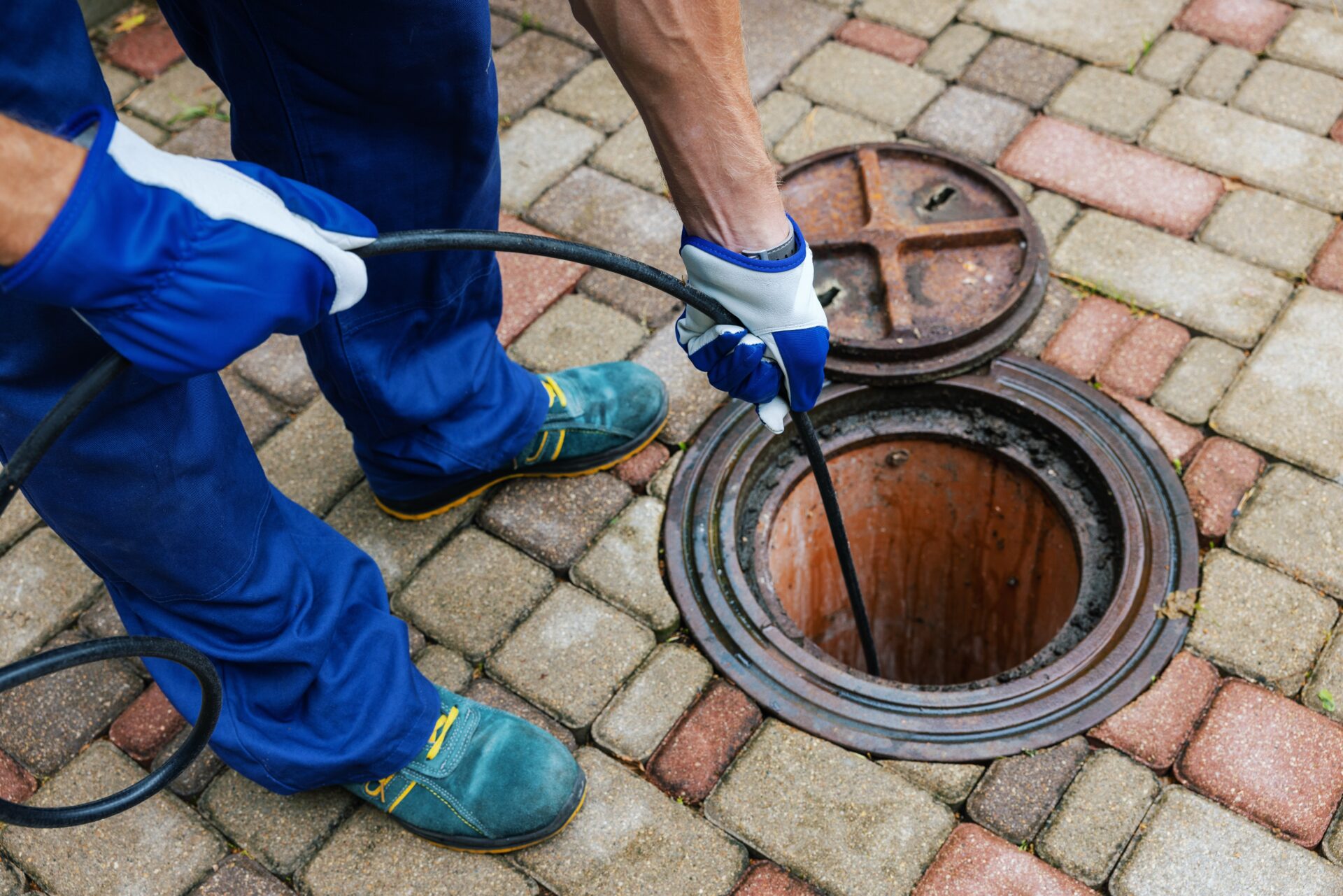
The Real Cost of Sewer & Drain Repairs Near Chittenden County VT | How Vermont Homeowners Save
You’re a Vermont homeowner with water where it should not be. Maybe the shower won’t drain, the toilet gurgles, or there’s a wet circle in the yard that wasn’t there yesterday. You feel stressed because you can’t see the problem. You worry about mold, ruined flooring, or a bill that spirals. We get it. At Complete Excavation & Septic in Isle La Motte, we talk to families every week from Burlington, South Burlington, Winooski, Colchester, Essex, and across Grand Isle, Franklin, and Chittenden Counties who are dealing with the same fears. Our job is to slow things down, find the exact cause, and keep your costs in line.
This guide explains what sewer and drain repairs really cost here in Chittenden County, why prices vary, and how Vermont homeowners save money without cutting corners. We’ll keep it simple, specific, and useful.
Sewer & Drain Repair Cost in Chittenden County: What Homeowners Actually Pay
No two repairs are the same, but these are typical local ranges that help you plan:
Drain clearing (snaking) for a single line: usually $175–$400 depending on access and length.
Hydro-jetting for heavy grease, roots, or scale: usually $400–$900 for residential runs.
Sewer camera inspection with locating: usually $200–$450. This often pays for itself by preventing guesswork.
Spot repair on a short section of pipe: often $1,500–$4,000, based on depth, surface restoration, and traffic control.
Trenchless lining (when suitable): per-foot pricing can vary, but many homes fall in the $3,000–$9,000 range for a typical main.
Traditional replacement with excavation: small jobs might land around $4,000–$8,000, while long, deep, or complex runs can go $10,000+.
Yard and hardscape restoration after digging: from $200 for simple seed and straw to several thousand for driveway, patio, or wall rebuilds.
These ranges reflect the realities of our area: frost depth, soil type, line depth near the street, distance to the main, and how tight the site is for equipment.
What Drives the Price: Labor, Materials, Depth, Access, and Yard Restoration
Think of the price as a stack of five things:
Labor: Technician hours, safety setup, and any traffic control. Tight lots or deeper lines add time.
Materials: PVC pipe, fittings, couplers, cleanouts, and any liner materials for trenchless methods.
Depth: Deeper lines require more shoring and time. Vermont frost depth means many laterals are not shallow.
Access: Can we reach the area with a mini excavator or do we need hand digging by utilities or under decks and porches?
Restoration: Grass, gardens, driveways, walkways, retaining walls, and fencing. The nicer the surface, the more careful (and costly) the restoration.
Common Vermont Problems: Root Intrusions, Freeze–Thaw Cracks, Grease, and Settled Lines
Vermont lines fail for a few classic reasons:
Tree Roots: Roots follow moisture to hairline cracks and joints. Older clay or cast iron is more vulnerable.
Freeze–Thaw: Tiny cracks widen over winter. Repeated cycles turn small leaks into breaks.
Grease and Food Waste: Kitchen lines choke slowly. Cold temps make grease harden faster.
Settled Lines: Backfill that wasn’t compacted well can create low spots. Waste slows, solids settle, and clogs return.
Aging Materials: Clay, orangeburg (in some older areas), or corroded cast iron weaken and collapse.
Diagnosis First: Why Camera Inspections Save Vermont Homeowners Money
Guessing is expensive. A camera inspection shows the inside of your pipe in real time. We measure the distance to the problem, mark the spot at ground level, and confirm the cause: roots, grease, collapse, offset, or a bellied section. When you see the video, decisions get easier. Maybe you only need a spot repair instead of a full replacement. Maybe jetting solves it today and a liner protects the line for years. The camera keeps everyone honest and keeps your wallet from getting hit twice.
Snaking vs. Hydro-Jetting: Which Cleaning Method Is Worth It in Burlington & Nearby Towns?
Snaking is fast and affordable for simple clogs. It cuts a path through debris but can leave residue on the walls. This is often enough for a first blockage.
Hydro-jetting uses water at high pressure to scrub pipe walls, pushing out grease, scale, and root fibers. It costs more up front but gives a more complete clean and can reduce repeat calls.
How to choose: If this is your first clog and the camera shows no major defects, start with snaking. If you have thick grease, frequent backups, or roots, jetting is usually the better value.
Trenchless Pipe Lining vs. Full Replacement: Cost, Lifespan, and Yard Impact
Trenchless lining inserts a resin tube that cures into a smooth, solid “new pipe” inside the old one. Pros: limited digging, fast, and minimal yard damage. Lifespan can be decades when installed on a suitable host pipe. Cons: it does not fix a badly collapsed or severely offset line. Good for long runs under driveways or mature landscaping.
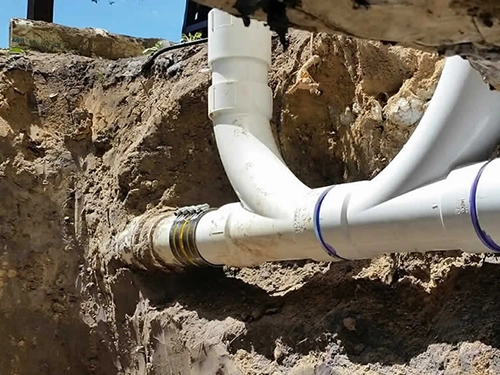
Full replacement means digging out the failed section and installing new PVC. Pros: you leave nothing old behind and can correct slope or add a cleanout. Cons: more surface disruption and often more restoration costs.
Rule of thumb: If the host pipe is mostly intact and you want to protect landscaping or pavement, trenchless can be cheaper overall. If the pipe is shattered, misaligned, or undersized, replacement is safer.
Spot Repair vs. Whole-Line Replacement: How to Decide in Older Chittenden Neighborhoods
We look at age, pipe type, and how many defects show up. If a camera finds one isolated break, a spot repair is smart. If the whole line shows wear, multiple offsets, or heavy root intrusion at many joints, repairing only one area can be like patching a rusty car door while the rest of the body rots. In those cases, whole-line replacement or lining often costs less over five to ten years.
Emergency vs. Planned Repairs: How Timing Changes Your Final Bill
It is always cheaper to plan. Emergency work can include after-hours rates, rush utility locates, or cold-weather costs. If your line is limping but still moving, we often clear it, stabilize things, and schedule the permanent fix during regular hours. That small delay can save you hundreds or even thousands, and it gives you time to compare options.
Permits, Easements, and Local Codes: What Chittenden County Homeowners Should Know
Repairs near the street or public right-of-way often need permits. Some neighborhoods have easements for utilities that limit where we can dig. Towns may require specific pipe types, bedding, and inspection steps before backfilling. We handle these details and plan the schedule around inspections so your project stays compliant and moves along without surprises.
How Vermont Homeowners Save: Smart Steps Before You Approve Any Sewer Work
Start with a camera inspection and keep the footage. You own the clarity and can get a second opinion if needed.
Ask for options: clear and maintain, spot repair, trenchless lining, or full replacement.
Compare total cost, not just the digging: include restoration of lawns, driveways, or patios.
Plan around the calendar when you can. Spring and fall windows can help avoid weather delays and emergency rates.
Add a cleanout during any repair. It makes future maintenance faster and cheaper.
Protect against roots with proper backfill and periodic maintenance, not harsh chemicals that harm the system.
Bundle fixes. If a short section is bad and another is nearly there, doing both together can be cheaper than doing them six months apart.
DIY Fixes vs. Hiring a Pro: When to Tackle It and When to Call Complete Excavation & Septic
DIY has limits.
You can try a small hand auger for a bathroom sink or use a drain safe for hair clogs. You can also clean trap arms or reset a toilet wax ring if you are handy.
Call a pro when:
More than one fixture backs up at once.
Drains gurgle after you flush.
There is sewage in the basement.
You smell sewage outside or notice a wet patch that never dries.
DIY attempts work for a day or two, then fail again.
These signs point to a main-line issue. Quick, professional diagnosis protects your home and your health.
Financing, Insurance, and Warranties: Reducing Out-of-Pocket Sewer Costs
Homeowner’s insurance usually does not cover wear and tear but may cover sudden damage from specific causes. It never hurts to ask.
Sewer line warranties or utility add-on plans can help for future events. Read the fine print to learn what is included.
Financing spreads cost over time and can let you choose the better long-term fix instead of a short-term patch. We can walk you through options so you can decide with a clear head.
Choosing the Right Sewer & Drain Contractor: A Simple Vermont Homeowner Checklist
Use this quick list when you call around:
Do they provide camera footage you can keep?
Will they explain at least two repair options with pros and cons?
Can they handle permits and inspections for your town?
Will they detail restoration: lawn, driveway, walkway, or garden?
Do they add a cleanout if you do not have one?
Do they give written estimates and timelines?
Do they stand behind the work with clear warranties?
If you get yes to most of these, you’re in good hands.
Red Flags and Upsells to Avoid: Protecting Your Budget and Property
Someone who will not run a camera but wants to dig right away.
A bid that is far lower than the rest without explaining why.
Pressure to replace the whole line when the video shows one small defect.
Refusal to talk about restoration costs until after digging.
Vague promises instead of written details.
You deserve straight talk and proof.
Preventive Maintenance That Pays Off: Seasonal Tips for Vermont Homes
Spring: After snowmelt, schedule a camera check if you had slow drains over winter. Look for new low spots caused by frost.
Summer: If you plan to repave or install a patio, inspect and repair the line first so you do not open new pavement later.
Fall: Clear leaves and check gutters and downspouts. Direct water away from the sewer trench to prevent settling.
Winter: Avoid pouring grease down the sink. Cold weather sets it fast. If you have repeats, plan a jetting before deep freeze.
A little attention at the right time saves money and headaches.
Frequently Asked Questions: Costs, Timelines, and What to Expect
How fast can you get here?
For active backups, we prioritize same-day or next-day service whenever possible.
Will I need to leave the house?
Usually not. We set safe work zones and keep you informed. If we dig near the entrance or driveway, we plan access with you.
How long does a typical repair take?
Simple clearing can be under an hour. Small spot repairs are often one day. Larger replacements can run one to three days depending on depth, traffic control, and inspections.
Can I see the problem myself?
Yes. We show you the camera footage and mark the line outside so you can see where repairs will go.
What about my lawn or driveway?
We include restoration in the plan. We aim for the least disturbance possible, and we repair what we open.
Next Steps: Request a Camera Inspection or Estimate from Complete Excavation & Septic
If you are in Chittenden, Franklin, or Grand Isle County and your drains are slow, gurgling, or backing up, let’s start with a camera inspection. You will see the problem, understand your options, and get a clear price before work begins. Whether you need simple jetting, a spot repair, trenchless lining, or a full replacement, we will shape the plan to your home and your budget. That is how Vermont homeowners save: clear diagnosis, smart options, and careful work.
Complete Excavation & Septic - based in Isle La Motte, VT, serving neighbors across the islands and the county line. Tell us what you are seeing, and we will help you fix it the right way.


Hours:
Mon - Fri 9:00 am - 5:00 pm
Extended hours by appointment only.



All rights reserved | Privacy policy | Client Support Area
Disclaimer: Septic inspection credit is applied to septic installations only and must be redeemed within 7 days after a written quote provided upon state acceptance of design.
Disclaimer: Septic soil test credit is applied to septic installations only and must be redeemed within 7 days after a written quote provided upon state acceptance of design.